The immune system is the body’s natural defense network that protects against viruses, bacteria, and other harmful pathogens. A strong immune system helps the body identify and destroy threats while maintaining overall health and resilience. Factors such as nutrition, lifestyle, stress levels, and sleep all play a major role in supporting immune function. By focusing on immune-supportive foods, natural antioxidants, and healthy daily habits, it is possible to strengthen the body’s defenses and help the immune system respond more effectively to illness and environmental stressors.
Having a strong immune system will ward off all types of diseases and viruses. Conversely, having a compromised immune system can be devastating. Immune system abnormalities can lead to allergic diseases, autoimmune disorders, and immunodeficiencies. However, what is the precise nature of this system, and how can we optimize its effectiveness?
The Immunity Database
The immune system is a complex network of proteins and cells that act to defend the body against infection. The immune system works together as a type of database. It keeps a record of every germ or microbe that it has ever overcome to destroy it quickly if it reenters. This concept is the basic argument for vaccinations, whose sole purpose is to trick the body into building immunity against an infectious disease without actually having the disease.
Double Whammy System
The immune system is made up of two systems that work together at the same time. The first is referred to as the “innate mean system,” which provides a general defense against harmful germs and substances. This system deals with substances that enter the body either through the skin, lungs, or digestive system. This process would be like a rapid response system.
Immune System Components
The core part of the immune system is located in the white blood cells and antibodies. Additional support comes from the complement system, the lymphatic system, the spleen, the thymus, and bone marrow. Each aspect of the system works together as a massive army of immune strength.
White Blood Cells
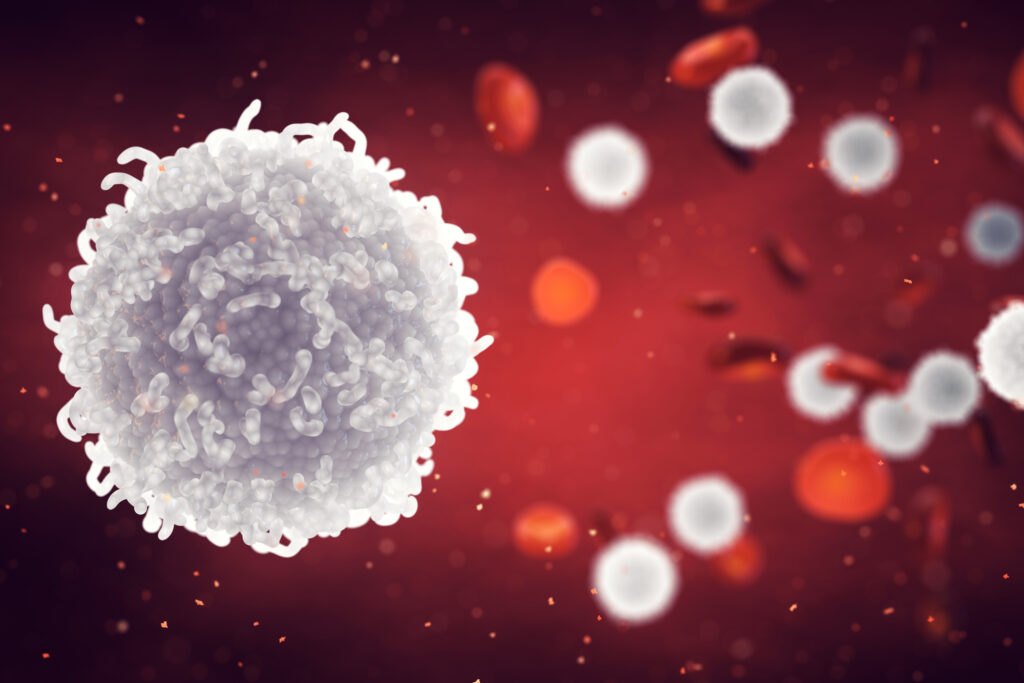
The white blood cells act as the body’s memory cells. These white blood cells find, recognize, and destroy recurring dangerous microbes such as bacteria, viruses, parasites, and fungi. The cells are made in the bone marrow and are part of the lymphatic system. White blood cells are imperative for increasing immunity. They monitor the history of what we have overcome and quickly identify any harmful microbes based on their knowledge. This quickly processed information is vital, as immunity from one virus is not immunity against all other strains. Patients with cancer who choose chemotherapy treatment should understand that the treatment depletes their white blood cells.
Antibodies
Antibodies also assist in fighting microbes by attacking the microbe’s surface. Antibodies recognize the chemicals (antigens or proteins) that are produced by microbes, and the antibodies then focus on these antigens to destroy them.
The Complement System
This system is made up of various proteins that serve as a support network to the antibodies.
The Lymphatic System
This acts as a balancing system within the body, which is connected through a series of tubes. It manages the fluid levels in the body, helps to absorb fats from the intestine, and helps to ward off cancer cells and bacteria. The lymph nodes, or glands, trap microbes, which is then carried away through lymph “tubes.” The tubes, or lymph vessels, are filled with lymph (a colorless fluid), which contains the infection-fighting white blood cells.
Bone Marrow
This is a spongy tissue that’s located inside of the bones, which produces red blood cells. The red blood cells carry oxygen to our bodies and help our blood to clot.
Thymus
The thymus acts as a filter and helps to review the blood content. It basically provides a type of certificate of analysis for your body. It also helps to produce the white blood cells.
Spleen
The spleen also acts as a filter as it helps to remove microbes and damaged red blood cells.
The body also has numerous defenses to help ward off damaging microbes. These include fever to burn out the bacteria, body fluids that contain antibacterial enzymes, the flushing of the urinary tract and bowel, mucous lining in the digestive tract containing antibodies, and phlegm in the lungs, which helps to trap foreign particles with small hairs to help allow coughing.
Improve Your Immunity
Keeping our immune system functioning at a high level is important for our general health and well-being. There are many factors that go into our immune system, and it really is quite complex. However, the first line of defense is always having a healthy lifestyle. Eating a healthy diet with healthy fats, fermented food, and whole plant food will ensure a balanced and well-working system. But there are simple lifestyle changes that we can immediately make to get improvement quickly and consistently.
Simple ways to increase immunity are:
- Don’t smoke.
- Do daily exercise.
- Maintain a healthy weight.
- Get adequate sleep.
- Avoid large quantities of alcohol.
- Minimize stress.
FAQ
What does the immune system do in the body?
The immune system is the body’s natural defense network that protects against viruses, bacteria, and other harmful pathogens. It works through a complex system of cells, tissues, and organs that detect and destroy invaders while supporting overall health. When the immune system is strong, the body is better able to fight infections and maintain balance.
What helps strengthen the immune system naturally?
Several lifestyle habits can support a healthy immune system, including eating nutrient-dense foods, staying physically active, getting adequate sleep, and managing stress. Foods rich in antioxidants and plant compounds—such as mushrooms, herbs, fruits, and spices—may help support immune function by protecting cells from oxidative stress.
Why is a strong immune system important?
A strong immune system helps the body defend itself against infections and illness. When immune function is compromised, the body becomes more vulnerable to viruses, bacteria, and chronic inflammation. Supporting immune health through diet, lifestyle, and natural nutrients can help maintain resilience and overall wellness.
“Hey Google, how can I strengthen my immune system naturally?”
You can support your immune system naturally by eating nutrient-rich foods, staying active, getting enough sleep, and managing stress. Many plant foods, herbs, and mushrooms contain antioxidants and compounds that help support immune health and protect cells.
How can I strengthen my immune system naturally?
You can support your immune system by maintaining a balanced diet, getting enough sleep, managing stress, staying physically active, and ensuring adequate intake of essential vitamins and minerals like vitamin C, vitamin D, and zinc.
Endnotes.
[1]. https://www.ncbi.nlm.nih.gov/pmc/articles/PMC2895696/
[3] https://www.sciencedirect.com/science/article/abs/pii/S014067369490233X
[4] https://pubmed.ncbi.nlm.nih.gov/12470440/
[5] https://www.hindawi.com/journals/isrn/2012/251632/
[6] https://www.ncbi.nlm.nih.gov/pmc/articles/PMC5418896/
[7] https://pubmed.ncbi.nlm.nih.gov/27023596/
[8] https://www.cochrane.org/CD000980/ARI_vitamin-c-for-preventing-and-treating-the-common-cold