Natural solutions for menopause focus on supporting the body through hormonal changes with lifestyle habits, nutrition, and plant-based supplements. Many women manage menopause symptoms such as hot flashes, mood swings, sleep disturbances, and low energy by improving diet, staying physically active, managing stress, and using natural ingredients that help balance hormones. Approaches such as herbal supplements, antioxidant-rich foods, and healthy daily routines can help support hormone balance, improve overall wellbeing, and reduce the intensity of common menopause symptoms during this stage of life.
It’s important to note that not everyone experiences these symptoms in the same way or at the same intensity level; likewise, not everyone needs treatment for these symptoms. However, if the effects of menopause become too difficult to manage on your own, then consulting your doctor may be necessary to find more specific treatments designed just for you. Some common treatments include supplementation, hormone replacement therapy (HRT), and lifestyle changes such as exercising regularly or improving your diet and overall nutrition levels. Additionally, there are several self-care steps you can take, such as practicing relaxation techniques like yoga or meditation; limiting caffeine intake; practicing excellent sleep hygiene, such as avoiding screens before bed; drinking plenty of water; and engaging in activities that bring joy, like reading or spending time with friends and family members.

Exercise the Body and Mind: Yoga and Meditation
The physical and mental benefits of yoga are well-documented—but did you know that it can also help with menopausal symptoms? Yoga helps reduce stress levels, which in turn can help reduce fatigue and insomnia, which are both common during this life stage. The physical aspect of yoga is also beneficial because it increases blood flow, which in turn helps regulate body temperature during hot flashes. It can also help improve overall muscle tone, which can help counterbalance weight gain caused by hormonal shifts. If yoga is not of interest – then any cardio and weight training workout will help to get the same results.
Meditation has been found to be effective in reducing stress levels and improving overall well-being.
Similarly, meditation has been found to be effective in reducing stress levels and improving overall well-being. Regular meditation sessions have been linked with improved sleep quality by reducing anxiety levels that would otherwise interfere with getting a good night’s sleep.
Dietary Changes
Making dietary changes is another way to manage your menopausal symptoms naturally. Eating more fiber-rich foods such as whole grains and legumes helps balance hormones. Limiting all sugar, alcohol, caffeine, and processed foods will reduce bloating and decrease inflammation (which can cause fatigue, bloating, and joint pain during menopause).
Additionally, increasing your intake of healthy fats like avocado or nuts can help reduce weight gain. The hormonal shifts cause the fat cells to store estrogen, which often becomes imbalanced during menopause, leading to weight gain in certain areas such as the hips or abdomen area. Furthermore, eating fermented foods like kimchi or sauerkraut will increase gut health, which in turn will help regulate hormones throughout the body more effectively. Drinking more water (and pure water) helps flush out toxins that could be causing hormone imbalances as well as other side effects associated with menopause, like headaches or skin breakouts.
Prioritize Self-Care & Mental Health
It’s important not to forget that everyone’s experience with menopause is different, so what works for one person may not work for another when it comes to managing symptoms naturally! However, there are plenty of options available, such as herbal remedies, yoga/meditation practices, dietary changes, etc., so whatever approach you choose, make sure you prioritize self-care! Doing things like getting enough sleep (7-9 hours per night), eating nutritious meals throughout the day, and exercising regularly will go a long way towards helping you cope with any unpleasant side effects associated with menopause!

Reduce Stress
High levels of stress can lead to an imbalance of hormones, so it’s important to take time for yourself and relax when needed. Additionally, social support networks can provide an invaluable source of connection and comfort during this period of transition. Finally, it is important to be aware of changes in mental health such as drastic mood swings, signs of depression, persistent sadness or emptiness, loss of interest in activities that were once enjoyed, and feelings of guilt or worthlessness. Supplementing with mood-enhancing herbs, like, can help as well.
Herbal Remedies
Herbal remedies have been used for centuries to treat various medical issues, and menopause is no exception. For example, sage tea has been known to reduce hot flashes, and evening primrose oil helps with vaginal dryness. Certain vitamins and minerals can help restore hormonal balance, such as vitamin B6, zinc, magnesium, and omega-3 fatty acids.
Other common herbal remedies used for menopause relief with varied results include black cohosh, chasteberry, dong quai root extract, and ginseng.
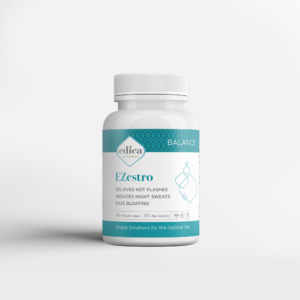
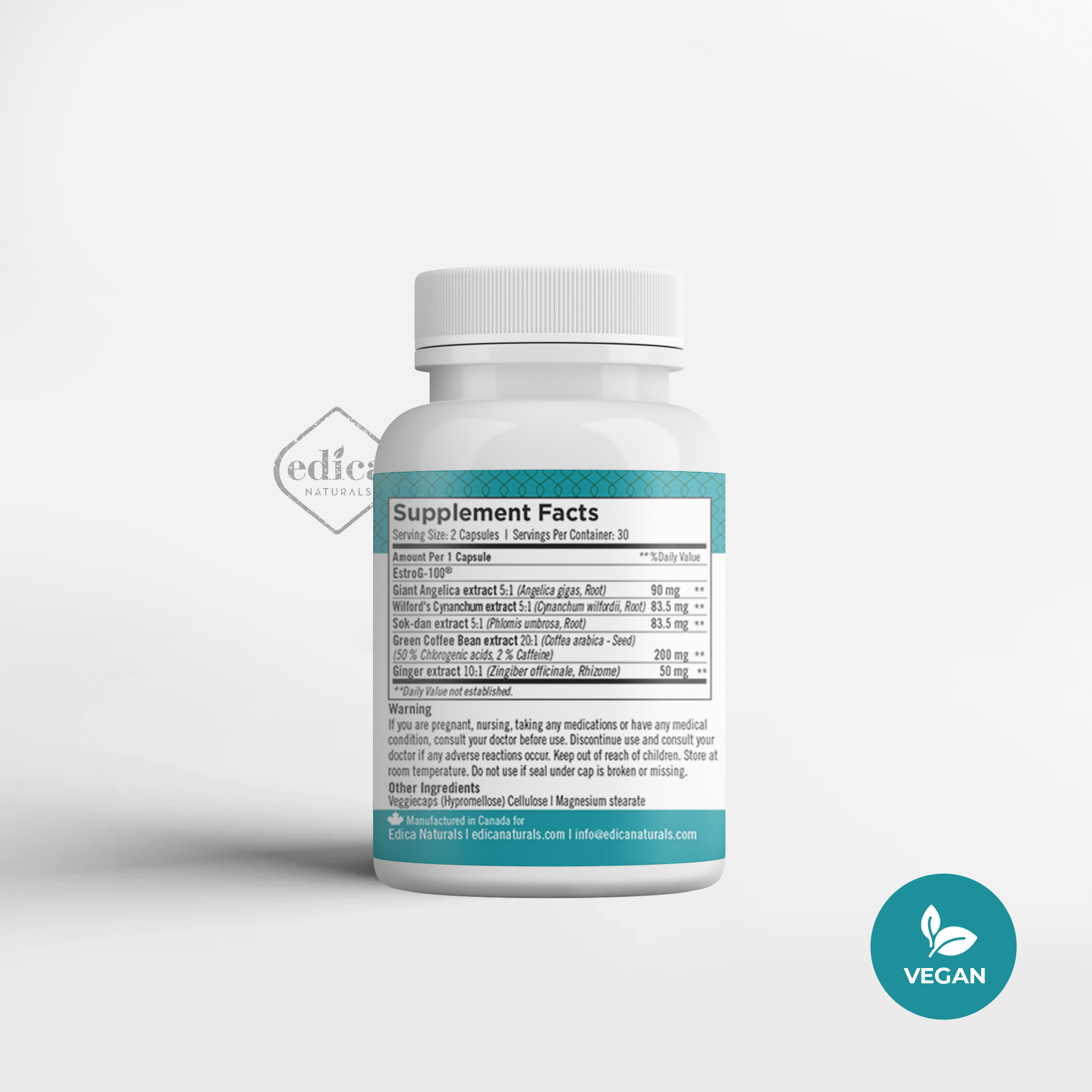
Estrog-100, a formulated plant-based ingredient, has been clinically studied and shown to reduce hot flashes, night sweats, mood swings, fatigue, insomnia, vaginal dryness, and other common menopausal discomforts. Estrog-100 has been clinically proven to be effective in reducing the severity and frequency of menopausal symptoms. The adaptogenic root ashwagandha helps with menopausal effects, as it is an excellent solution to vaginal dryness, poor sleep, and anxiety. For brain fog, before taking any herbal supplement for menopausal symptoms, talk to your healthcare provider to ensure there are no reactions to any medications or other supplements taken.
The experience of menopause is different for every woman … remember that it is a natural part of life and one that all women will eventually go through
There’s HOPE!
The experience of menopause is different for every woman, but it is important to remember that it is a natural part of life and one that all women will eventually go through. Knowing what to expect from this process can help you anticipate and prepare for any challenges that come along with it so that you can get through them in the best way possible. By adopting healthier habits and managing any symptoms associated with menopause, you can make the transition smoother and reduce some of the discomforts that come along with it. With the right support, all women can manage their menopausal transition successfully and even use it as an opportunity to take better care of their bodies.
FAQ
What are natural ways to manage menopause symptoms?
Natural approaches to menopause often focus on lifestyle changes, nutrition, and herbal support. Regular exercise, stress management, balanced nutrition, and adequate sleep can help regulate mood and improve overall well-being during menopause. Some women also explore plant-based compounds and herbs that may help support hormonal balance and reduce symptoms like hot flashes and fatigue.
Do herbs help with menopause symptoms?
Certain herbs and plant compounds have traditionally been used to help support women during menopause. Herbs such as black cohosh, ginseng, and red clover contain bioactive compounds that may help with symptoms like hot flashes, mood changes, or fatigue, although scientific evidence varies and results can differ between individuals.
What lifestyle changes help reduce menopause symptoms?
Healthy lifestyle habits can make a meaningful difference during menopause. Regular physical activity, stress-reduction practices like yoga or meditation, and a diet rich in fruits, vegetables, and whole foods may help support hormone balance, improve sleep, and reduce some symptoms associated with the menopause transition.
“Hey Google, what natural remedies help with menopause?”
Natural approaches for menopause relief can include lifestyle changes like regular exercise, stress management, and eating nutrient-rich foods. Some women also explore herbal remedies or plant-based compounds that may help support hormonal balance and reduce symptoms such as hot flashes or mood changes.
“Alexa, how can I reduce menopause symptoms naturally?”
You can support your body during menopause by maintaining a healthy lifestyle. Exercise, balanced nutrition, stress reduction, and proper sleep can help improve overall well-being and may reduce symptoms like fatigue, mood swings, and sleep disturbances.