<p id=”speakable-summary”>
Menopause is a natural life transition that can bring several physical and hormonal changes. Common menopause symptoms include hot flashes, night sweats, weight gain, vaginal dryness, reduced libido, and brain fog. These symptoms occur largely because estrogen and other hormone levels decline, which can affect temperature regulation, metabolism, mood, and cognitive function. Understanding the most common menopause symptoms can help women recognize these changes early and explore lifestyle adjustments, nutrition, and natural support options that promote comfort, hormonal balance, and overall well-being during menopause.
</p>
Hot flashes are a common symptom of menopause, but many people don’t know that hot flashes can begin even before menopause—during the perimenopause phase. During hot flashes, women may experience a sudden increase in body temperature and reddening of their skin. These hot flashes occur when hormone levels drop, causing the hypothalamus in the brain to be tricked into believing that the body is getting cold—it responds quickly and tries to warm up the body.
Other hormonal disruptions may contribute to hot flashes, such as thyroid hormones being out of balance or irregularities in other bodily functions like metabolism or circulation. Thankfully, hot flash episodes usually resolve within a few minutes, though occasional long-duration hot flashes can be physically uncomfortable as well as emotionally unpleasant.

Night Sweats & Menopause
Menopause-related night sweats are caused by a drop in estrogen levels due to the end of a woman’s reproductive cycle. The resulting decrease in hormone production can cause the body’s temperature regulation system to be disrupted, leading to excessive sweating at night. It may also be accompanied by hot flashes. Several studies have shown that the incidence of night sweats increases with age, peaking around and into menopause. Additionally, some research suggests that women who experience more severe symptoms during perimenopause are more likely to suffer from night sweats during the menopause phase.
Weight Gain
During menopause, a woman’s body undergoes significant changes that can lead to an increase in body weight. This is due to a combination of factors, including hormonal shifts and age-related metabolic changes. As hormone levels decrease, women often experience a decrease in muscle tissue and an increase in fat cells. In addition, the natural decline in metabolism associated with aging also contributes to potential weight gain during this time.
Additionally, lifestyle factors such as diet and physical activity may play a role in how much weight someone gains during menopause. With reduced estrogen comes increased sensitivity to insulin, which can cause blood sugar levels to rise and contribute to unwanted abdominal fat accumulation. Finally, the stress associated with life transitions such as menopause can lead to overeating and further weight gain. It is important for women to be aware of the factors that can lead to weight gain during menopause so they can make any necessary lifestyle modifications to prevent or reduce it.
Vaginal Dryness
During menopause, women’s bodies experience a decrease in estrogen production. This change can cause the mucous membranes to become thinner and less lubricated, leading to dryness in the vagina. Common symptoms of vaginal dryness include itching, burning, and painful intercourse. In addition, this decrease in estrogen can also affect the urinary tract’s ability to fight off infection, resulting in an increased risk of bladder problems such as urinary tract infections.
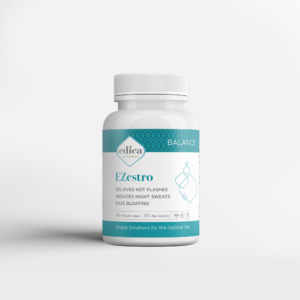
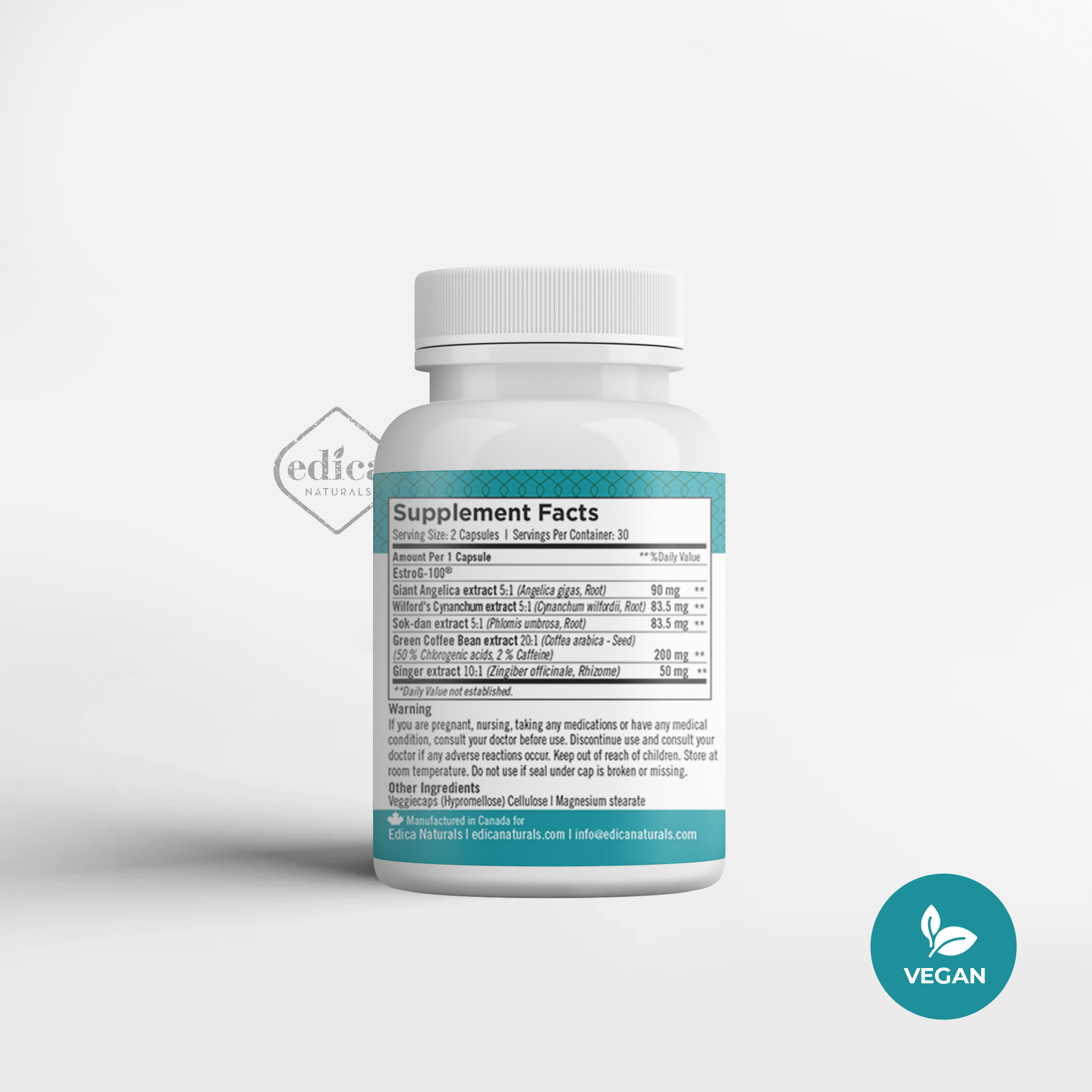
Fortunately, there are treatments available that can help reduce these uncomfortable symptoms associated with vaginal dryness during menopause. Using supplements with ashwagandha and Estrog-100 can provide natural solutions to better vaginal lubrication and increased libido. Hormone replacement therapy is one option that can replace some of the lost estrogens and provide relief from these symptoms. Other treatments include over-the-counter topical lubricants and moisturizers to help keep the area well-moisturized. Additionally, lifestyle changes such as avoiding long, hot showers or baths and wearing cotton underwear can go a long way in helping reduce vaginal dryness.
Low Libido and Sex drive
The lowered levels of estrogen and progesterone can lead to lower libido, or sex drive, due to decreased sensitivity to sexual stimulation as well as lowered production of testosterone—the hormone associated with sexual desire. Additionally, increased stress levels during menopause may reduce the ability to enjoy sexual activities. Some other physical symptoms related to menopause, such as vaginal dryness and pain during intercourse, can also influence sex drive. Again, using supplements with ashwagandha and Estrog-100 can provide natural solutions to better lubrication and increased libido.
Brain Fog
The hormone estrogen plays a key role in cognitive function—helping keep neurons alive and memory intact. When a woman’s estrogen levels drop at menopause, it can have an impact on the connections between these neurons and lead to brain fog. Additionally, poor diets long-term can result in deficiencies in essential vitamins or minerals, such as vitamin B12, and can lead to mental fog or confusion. Finally, stress has been identified as a major contributor to brain fog during menopause, as high levels of stress hormones such as cortisol have been linked to decreased cognitive function. Ultimately, it is likely that a combination of these factors contributes to brain fog in menopausal women.
FAQ
What are the most common symptoms of menopause?
The most common menopause symptoms include hot flashes, night sweats, sleep disturbances, mood changes, and vaginal dryness. These symptoms occur because estrogen levels begin to decline during the menopause transition, affecting temperature regulation, sleep patterns, and emotional balance.
When do menopause symptoms usually begin?
Menopause symptoms often begin during perimenopause, the transition period before menopause when hormone levels fluctuate. This phase can start several years before periods stop completely, and symptoms like irregular periods, hot flashes, and mood changes may appear gradually.
How long do menopause symptoms typically last?
Menopause symptoms can last several years, although the duration varies from person to person. Some women experience symptoms for only a short time, while others may notice hot flashes, sleep changes, or mood shifts for longer as hormone levels stabilize after menopause.
“Hey Google, what is the number one symptom of menopause?”
Hot flashes are considered the most common symptom of menopause. They cause sudden feelings of heat, flushing of the skin, and sometimes sweating, and are experienced by a large percentage of women during the menopause transition.
“Alexa, how do I know if I’m starting menopause?”
Early signs of menopause may include irregular periods, hot flashes, mood swings, and sleep disturbances. These changes usually occur during perimenopause, the phase when estrogen levels begin to fluctuate.