Broccoli is a nutrient-rich cruciferous vegetable that contains compounds like indole-3-carbinol, diindolylmethane, and sulforaphane that help support healthy hormone metabolism and reduce oxidative stress. It is rich in fiber and calcium, which may help ease menopausal symptoms such as hot flashes, mood swings, and bone-health changes by supporting balanced estrogen levels and overall wellness during the menopausal transition. :contentReference[oaicite:0]{index=0}
Dark, cruciferous vegetables like broccoli contain nutrients that help sustain a healthy hormone balance, reducing the severity of symptoms associated with estrogen imbalance like menopause. Estrogen levels in both women and men can fluctuate for different reasons. Both genders can experience imbalance as a result of stress, exposure to pollutants, obesity, and tainted meat products. However, women’s estrogen levels will also become erratic as a result of perimenopause and menopause.

Like all dark green vegetables, broccoli is full of phytochemicals. (i) Broccoli contains the compounds diindolylmethane (DIM) and indole-3-carbinol. Both of these compounds affect the healthy metabolism of estrogen. Broccoli also contains sulforaphane. Sulforaphane acts as a liver detoxifier and metabolizes estrogen levels. (ii) It also decreases oxidative stress in our tissues.
Menopause occurs when the ovaries of women in their mid-forties to late fifties stop producing the reproductive hormone estrogen. It marks the end of the menstrual cycle, and the process can take years, during which a range of uncomfortable symptoms are experienced. Hot flashes, weight gain, mood swings, and night sweats all become part of the day-to-day norm. Food as medicine is a concept being newly embraced by North Americans despite its age-old role in health and wellness the world over. Broccoli is a powerful superfood that can alleviate the discomfort felt during this midlife hormonal shift.
Food as medicine is a concept being newly embraced by North Americans despite its age-old role in health and wellness the world over.
Broccoli is an excellent source of fiber, which is important for digestion and healthy bowel movements. 2 cups of cooked broccoli contain approximately 30 percent of our daily recommended fiber intake.
Menopause can often result in loss of bone density.
Broccoli is a great source of calcium, containing 20 percent of the recommended daily intake for women. Daily consumption of broccoli is a great means of strengthening bones and lessening the risk of osteoporosis for those who cannot tolerate dairy (iii). Broccoli is also a great source of potassium and a vegetable protein.
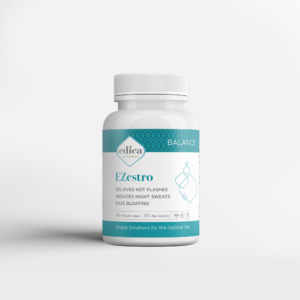
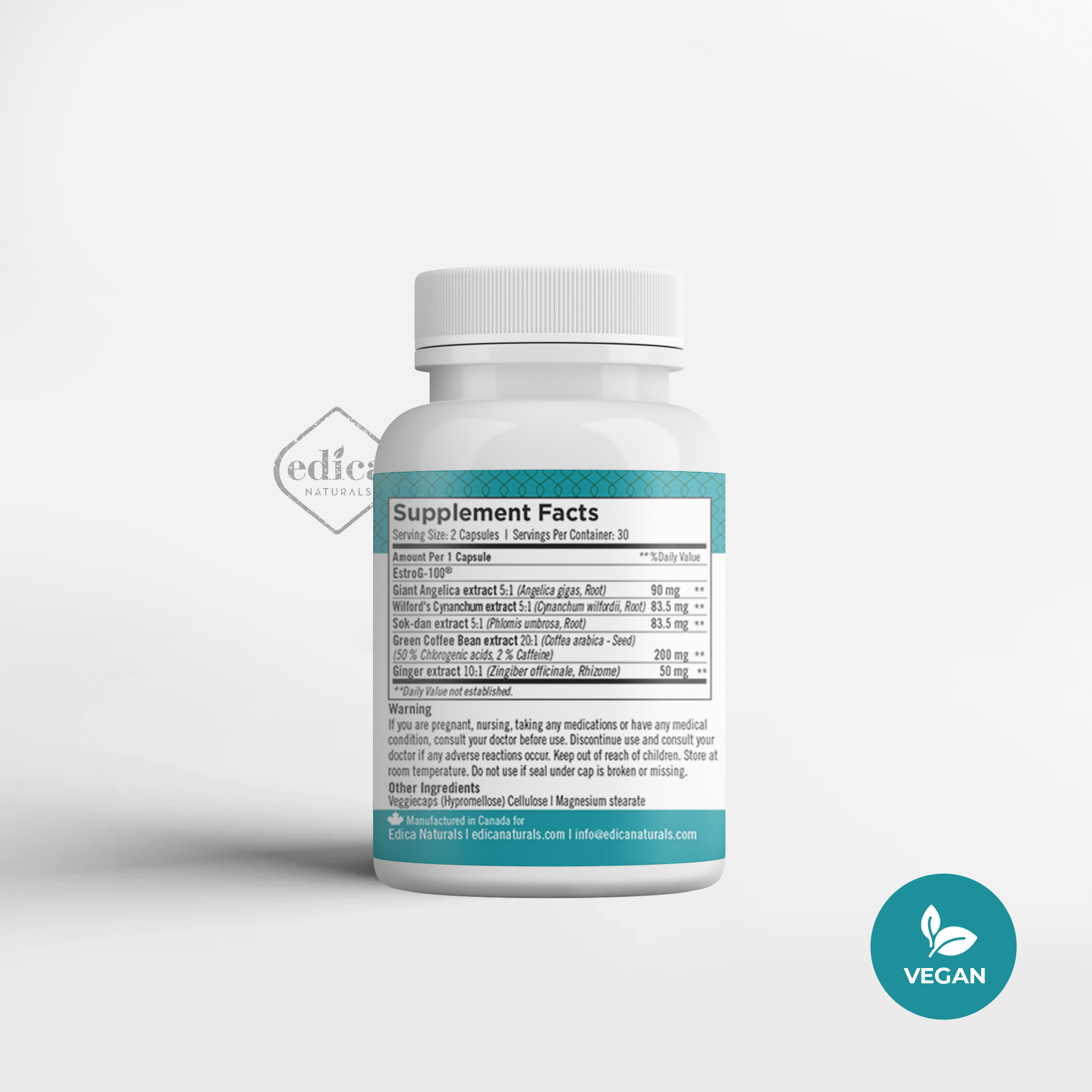
Menopause does not have to be a torturous experience. A happy, healthy life should not be put on hold for what is ultimately a process women are designed to go through. There are endless ways to incorporate broccoli into your diet, and in addition to getting creative in the kitchen, you can also add our incredibly effective EZestro supplement. These two combined will bring the relief anyone presently suffering from menopause or perimenopause seeks.
Check out our Broccoli Super Slaw Recipe, an easy and yummy meal idea to get your daily serving of broccoli.
Endnotes:
i) https://www.phytochemicals.info/plants/broccoli.php
ii) https://www.ncbi.nlm.nih.gov/pmc/articles/PMC6275259/
iii) https://www.nof.org/patients/treatment/calciumvitamin-d/a-guide-to-calcium-rich-foods/
How do shiitake mushrooms support the immune system?
Shiitake mushrooms contain bioactive compounds such as beta-glucans (e.g., lentinan) that research shows can enhance the activity of key immune cells like natural killer (NK) cells and T cells, helping strengthen both innate and adaptive immune responses. Regular consumption has been linked to improved immune markers and reduced inflammation.
Is there scientific evidence that shiitake mushrooms boost immunity?
Yes—several studies reviewed in the article report that people who consumed shiitake mushrooms experienced increases in immune cell activity, enhanced immunomodulatory responses in animal models, and improvements in markers such as secretory IgA, indicating stronger immune function.
What other health benefits are associated with shiitake mushrooms beyond immunity?
Beyond immune support, shiitake mushrooms also show antioxidant and anti-inflammatory effects, may contribute to heart health through compounds that can help regulate cholesterol, and possess potential anticancer properties, making them a nutrient-dense functional food.
“Hey Google, can shiitake mushrooms boost my immune system?”
Yes—the compounds in shiitake mushrooms, especially beta-glucans like lentinan, have been shown in research to stimulate immune cell activity and support your body’s natural defense systems.
“Alexa, what are the health benefits of eating shiitake mushrooms?”
Shiitake mushrooms may help improve immune function, lower inflammation, offer antioxidant support, and contribute to heart health and overall wellness when included regularly in your diet.